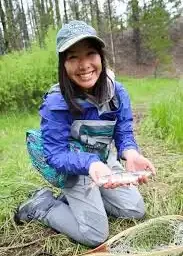

Spring and fall are two of the most special times to be on the water. In spring, rivers come alive, birds return, flowers bloom, and warming sunshine invites us back outside. Fall brings crisp air, vibrant foliage, and some of the best hatches of the year, including October Caddis, Mahogany Duns, and Blue Wing Olives. Both seasons also offer quieter moments on the river, with fewer anglers and incredible opportunities to connect with nature.
These seasons also mark a critical event beneath the surface: fish spawning.
At iFishiBelong, education is at the heart of what we do. Understanding how to identify and avoid trout spawning beds, known as redds, is one of the most important ways anglers can help protect fisheries for future generations.
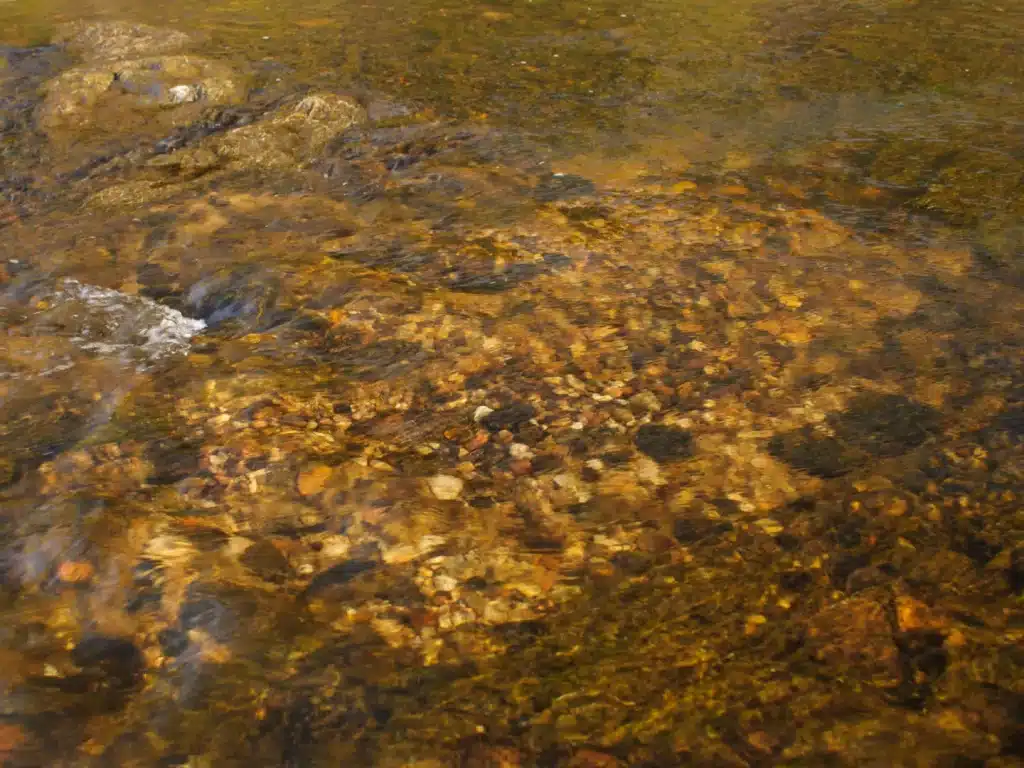
A redd is a nest created by spawning fish such as trout and salmon. Females use their tails to clear away silt and debris, creating a clean area in the gravel where eggs are deposited and fertilized. These nests are extremely fragile. Stepping on a redd can crush or suffocate eggs, impacting future fish populations.

Photo By: WDFW Staff

Photo By: WDFW Staff
Redds can be easy to spot once you know what to look for:
- Light-colored patches of gravel that stand out from the darker surrounding riverbed
- Clean, oval-shaped areas typically 2–3 feet wide
- Small depressions and mounds where eggs have been buried
- Areas that look recently “swept” or disturbed
If it looks different from everything around it, there’s a good chance it’s a redd.
Spawning fish choose locations that give their eggs the best chance of survival:
- Riffles: Shallow, moving water (1–3 feet deep) that provides oxygen
- Gravel bars: Clean gravel allows water to flow through and around the eggs
- Substrate: Small, smooth gravel (pea- to half-dollar-sized) is ideal
While not always obvious, spawning fish often show distinct characteristics:
- Brighter, more vivid coloration
- Darker tones in some species
- Rounded bellies (especially females carrying eggs)
- Fish paired up or grouped in shallow water
- Slower, less aggressive fights when hooked
- Males may develop a hooked jaw, known as a kype
If you see fish actively holding in shallow gravel areas, there’s a strong chance they are spawning.

Understanding timing helps you stay aware on the water:
- Brook Trout: Fall
- Brown Trout: Fall
- Bull Trout: Late summer to early fall
- Cutthroat Trout: Spring to early summer
- Lake Trout: Fall
- Rainbow Trout: Late winter to spring
- Bass (Largemouth & Smallmouth): Spring (varies by region)
Keep in mind that exact timing varies depending on water temperature and location.
At iFishiBelong, we believe in education over shame. Small actions make a big impact:
- Be observant – look for redds before stepping into the water
- Avoid walking or wading through shallow gravel areas
- Do not target or cast to spawning fish
- Give fish space to reproduce naturally
- Share what you know and help educate others
Every redd represents the next generation of fish. Protecting these spawning areas ensures healthier rivers, stronger fish populations, and better fishing for years to come.
The next time you’re on the water this spring or fall, take a moment to slow down, observe, and fish with intention.
Because when we protect the resource, we all belong.